Real research. Real testing. No recycled advice.
TurfNotes is built by one person actually working through the problem — installation mistakes, real costs, infill that works and infill that doesn't. No filler, no generic "ultimate guides."
Browse by Topic Cluster
Every article on this site belongs to one of these clusters. Start wherever your actual problem lives.
More clusters — Odor & Pests, Infill Guide, Cost & Budgeting, and others — will appear here automatically as their first articles are published.
Recently Published
The latest guides, added as they're researched and tested — not batch-published.

Artificial Turf Grain Direction Mistakes: Why It Matters
Two adjacent rolls looked identical laid out flat side by side — it was only once they were seamed together that one strip turned out noticeably lighter than the other.
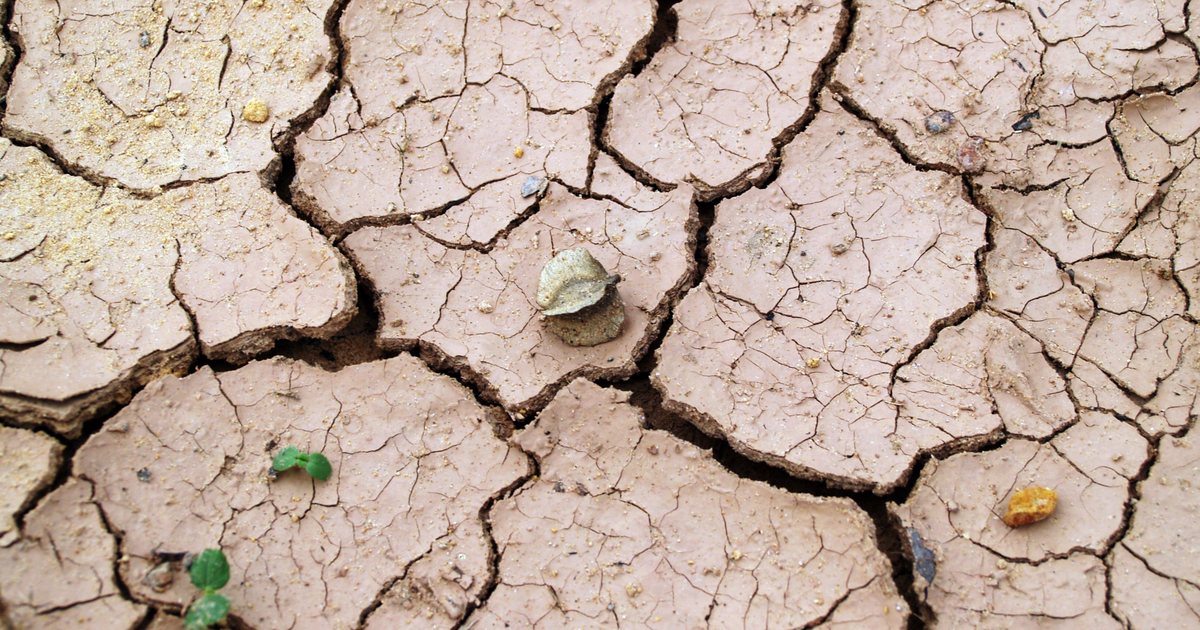
Artificial Turf Installed Over Poor Drainage Soil: What to Do
The soil under part of the yard was dense, clay-heavy ground that barely absorbed water even before any turf went down — and it needed a different base approach than the rest of the property.
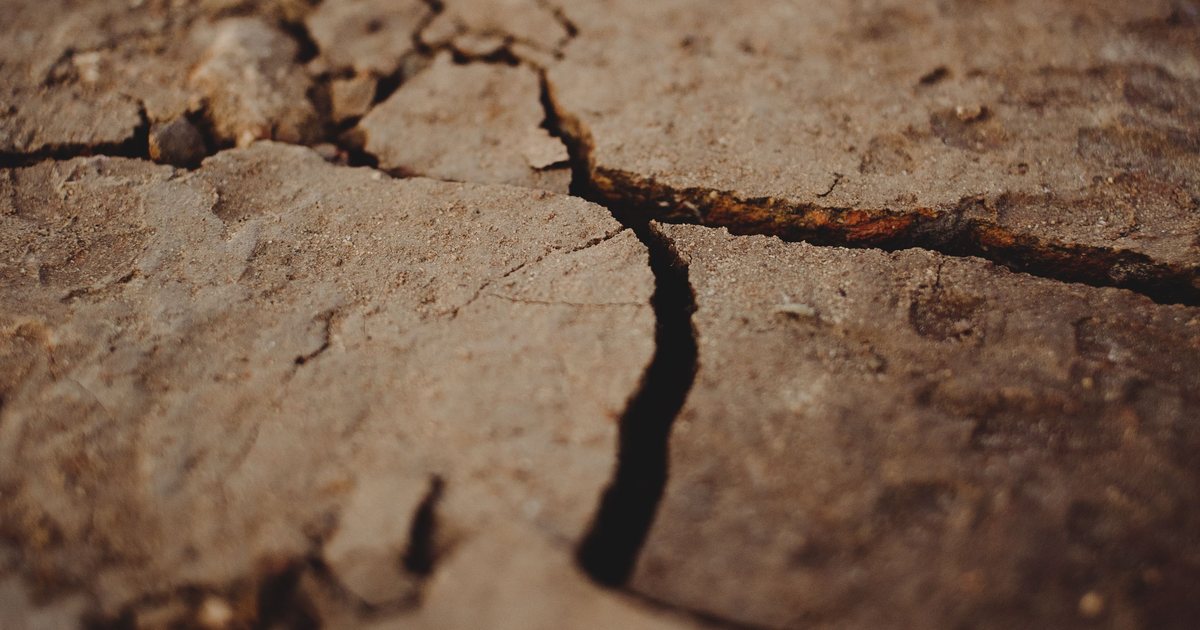
Artificial Turf Cracking or Splitting at Seams: Why It Happens
A hairline split opened right along the backing at a seam, not the tape itself — a different failure than a gap, and one that traces back to how the seam was compressed while curing.
Why TurfNotes Is Different
Most artificial turf content repeats the same five points because it's rewritten from the same five sources. This site is built the other way around — real installs, real testing, real seasons of watching turf hold up (or not) before a single word gets published. Read the full story →