
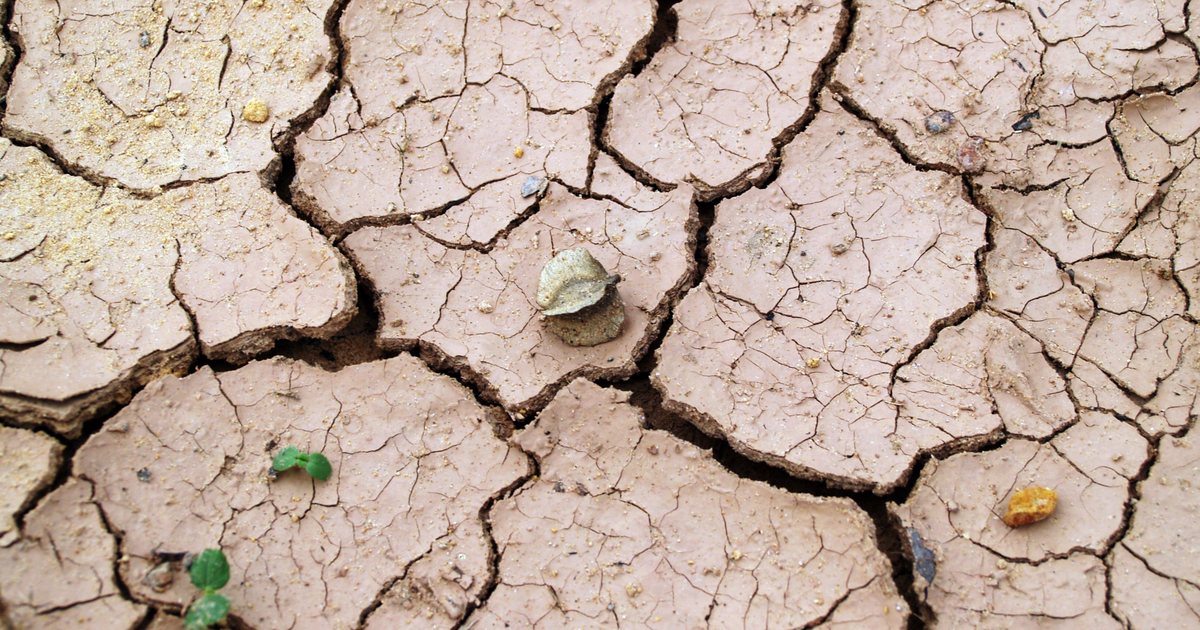
Part of our property sits on noticeably denser, clay-heavy soil than the rest — you could tell just from digging into it, since it held together in thick clumps instead of crumbling the way soil elsewhere in the yard did. Water sat on that patch of bare ground for a while after rain even before any turf was involved, which should have been my first clue that it needed a different approach than a standard installation. I actually noticed the problem about two weeks later, walking that section barefoot the morning after a heavy rain — the ground gave underfoot in a way the rest of the yard didn’t, soft and faintly squelchy, with a thin sheen of standing water even though the turf on top looked completely normal. Peeling back a corner confirmed it: the base underneath was saturated and dark, while the same base a few feet away on better-draining soil was dry to the touch.
Clay Soil Doesn’t Drain, So the Base Has to Do More Work
On soil that drains reasonably well on its own, a standard compacted base sits on top of ground that’s already helping move water down and away. Clay soil is dense enough that water barely passes through it at all, which means the base material and drainage path above it are doing nearly all of the drainage work with no help from the ground underneath — and a standard base depth and material that would be fine over normal soil isn’t automatically enough over clay. I didn’t adjust for this on that section during the original install, and it held water longer than the rest of the yard after every real rain from day one.
There was a second factor working against that section too, and it took me longer to connect it to the drainage problem than it should have: the grade there was flatter than everywhere else, almost level instead of sloping gently toward the property line the way the rest of the lawn does. Even a well-built base over clay still needs somewhere for surface water to go once it can’t soak downward, and a flat grade gives it nowhere to run. Either the clay or the flat grade alone might have been manageable on its own — a heavier base could have compensated for the soil, or a steeper slope could have moved water off a normal base fast enough. Having both together on the same section is what turned it into a standing-water problem instead of just a slightly slower-draining one.
What Actually Needed to Change
- Pulled the turf back on the clay-soil section and confirmed the base material itself was the same as everywhere else in the yard — a standard depth and mix that wasn’t accounting for the soil underneath.
- Increased the base depth on that section specifically, adding an extra inch beyond what the rest of the yard used, to give water more room to move through above the clay.
- Used a coarser aggregate for that section’s base rather than the standard mix, since coarser material has larger gaps between particles that move water faster than a finer mix would over ground that isn’t helping at all.
- Built in a slightly more deliberate slope across that section specifically, since with the soil offering essentially no help, surface grading became the main way to move water off that patch instead of down through it.
I considered just laying a turf drainage mat under that section instead of pulling the base apart — it would have been faster. I didn’t, because a mat only creates a path for water that’s already made it through the base; it doesn’t help when the base itself is too thin and too fine to move that water down to the mat in the first place. A mat alone would have masked the problem on dry days and still puddled after a real rain.
Check Your Own Soil Before Installing
Dig a simple test hole anywhere you’re planning turf and pour a bucket of water into it — if it’s still standing after fifteen or twenty minutes, that spot has drainage-limiting soil and needs a heavier base approach than a section that drains normally. It’s a five-minute test that’s a lot cheaper to do before installation than to diagnose after the fact from a section that keeps holding water no matter how well the turf itself was laid.
How This Differs From a Base That’s Just Settled
It’s worth separating this from a section that simply sank or was under-compacted at install, because the fix isn’t the same. A settled base tends to show up as a dip or soft spot you can feel underfoot even in dry weather, and it usually corrects with regrading and recompacting the material that’s already there. A drainage problem tied to the soil underneath behaves differently — it can look and feel completely normal in dry weather and only show itself after rain, and no amount of recompacting fixes it if the base was never sized for that soil to begin with. If a section only misbehaves after rain, drainage is the more likely culprit; if it’s soft regardless of recent weather, that points more toward settling.
If I were paying someone to fix this instead of doing it myself, I’d expect the drainage diagnosis itself — the test-hole check above plus a look at the overall grading — to be a small line item, with the real cost being labor to pull up turf, swap the base material, and re-lay the section, scaling with how much area needs it. Since I rebuilt the base rather than papering over it with a mat, I’d expect it to hold as long as the rest of the yard’s base does. Dry, cooler weather is also a more sensible time to do this kind of rework than the middle of a wet stretch, since the soil is easier to work when it isn’t already saturated.